
7 Signs Your Brisbane Home Is Ready for a Major Renovation
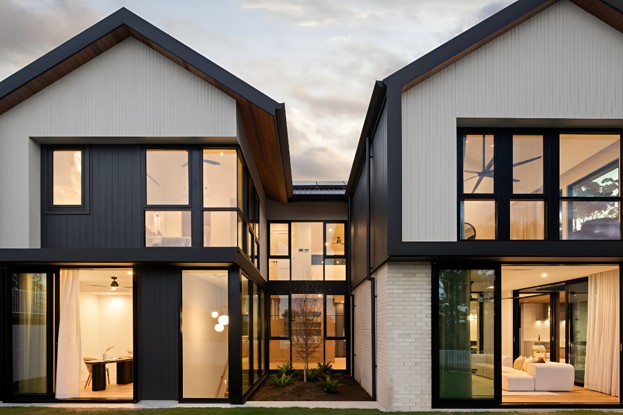
Every home reaches a point where small repairs no longer solve the real problem. Rooms feel cramped, bills climb and maintenance never seems to end. At Tide Constructions, we help Brisbane homeowners turn tired houses into homes that suit the way they live today. Here are seven clear signs it may be time to plan a major renovation.
Key Takeaways
- A layout that no longer works is a strong reason to renovate.
- Damp, mould and cracking often point to deeper issues.
- Older homes can be hot, cold and costly to run.
- Outdated kitchens and bathrooms affect comfort and value.
- Early planning helps you control cost and timing.
Why More Brisbane Owners Are Renovating
Many Brisbane families are choosing to improve the home they love rather than move. According to Elite Agent, Brisbane homeowners spent $880 million on home improvements in 2022, more than any other Australian city.
Intentions remain strong. Your Mortgage reported that the share of homeowners planning to renovate within 12 months rose from 22 per cent to 33 per cent in just six months. So how do you know if your home is ready? Look for these signs.
1. Your Layout No Longer Fits Your Life
A home that suited a young couple may not suit a growing family, teenagers or ageing parents. Common frustrations include:
- Not enough bedrooms or bathrooms
- A closed kitchen that cuts the cook off from the family
- No dedicated space to work from home
- Poor storage that leads to constant clutter
- Living areas with little connection to the yard
If you are regularly working around your floor plan, a renovation can reshape the home to suit the next ten or twenty years.
2. The House Is Hot, Cold or Costly to Run
Many older homes were built before modern energy standards. The Climate Council notes that homes built before minimum standards were introduced in 2003 average roughly 1.5 stars, and estimates that around 8 million Australian homes were built before any standard existed.
Ageing housing also has a wider impact. Energy inefficient homes contribute 18 to 20 per cent of Australia’s total carbon emissions.
The good news is that targeted upgrades work. Insulation, draught sealing, better glazing and shading can make a noticeable difference to comfort and running costs. These improvements also support a sustainable smart home approach, helping homeowners reduce energy consumption and create a more comfortable living environment. The Climate Council estimates thermal efficiency upgrades can save households $354 to $1,561 a year.
Signs your home is underperforming include rooms that overheat in summer, draughts in winter and air conditioning that runs for hours.
3. Damp, Mould or Persistent Leaks
Mould is more than a cosmetic problem. It often signals poor ventilation, failed waterproofing or hidden leaks.
Research by Queensland University of Technology, published in the International Journal of Environmental Research and Public Health, reviewed mould in Australian housing. A 2016 survey it cited found mould in 8.8 per cent of dwellings, while the last national estimate in 1994 recorded mould or mildew in almost 18 per cent of homes.
Health matters too. Asthma Australia warns that mould can grow on walls, windows and furniture in damp homes and may trigger asthma and allergies.
Watch for these warning signs:
- Musty smells that return after cleaning
- Peeling paint or bubbling plaster
- Stains on ceilings or around windows
- Swollen skirting boards or cabinetry
- Grout and silicone that keep failing in wet areas
4. Cracks, Sagging Floors or Sticking Doors
Some movement is normal in any house, but certain signs deserve a professional assessment. A national roadmap from the Australian Housing and Urban Research Institute found that 70 per cent of surveyed homes had some building quality problem. Cracks (44 per cent), mould (35 per cent) and plumbing issues (27 per cent) were the most common.
In Brisbane, many older homes sit on timber stumps. Over time, stumps can rot, settle or suffer termite damage. Look out for:
- Floors that slope or feel springy
- Doors and windows that stick or will not close
- Diagonal cracks above doors and windows
- Gaps between walls, ceilings and cornices
- Damaged timber or mud tracks under the house
These issues often need structural work, such as restumping or reframing, which is a natural time to plan wider improvements.
5. Old Wiring and Plumbing
Many Brisbane homes still rely on original electrical and plumbing systems. While they may seem to work, they can struggle with modern demands.
Common warning signs include:
- Lights that flicker or circuits that trip often
- Too few power points for modern appliances
- Old ceramic fuses instead of a modern switchboard
- Low water pressure or discoloured water
- Slow drains and recurring blockages
Upgrading these systems is far easier when walls and floors are already open during a renovation. Always use licensed electricians and plumbers for this work.
6. Your Home Is Exposed to Flood or Storm Damage
South East Queensland has seen how quickly severe weather can affect homes. The Queensland Reconstruction Authority reports that around 7,000 houses were damaged in four flooding events across 2021 and 2022, with about half assessed as uninhabitable.
The $741 million Resilient Homes Fund received around 6,500 registrations from owners looking to repair, retrofit or raise their homes. If your property sits in a flood prone area, a renovation can include flood resilient materials, raised living areas and better drainage.
7. Kitchens and Bathrooms Feel Dated
Kitchens and bathrooms work harder than any other rooms. Housing Industry Association research, reported that Australians typically update kitchens and bathrooms about every 15 years.
Signs these spaces need attention include worn benchtops, cracked tiles, poor lighting, limited storage and fittings that are hard to clean. Updating them improves daily comfort and adds appeal if you ever decide to sell.
How to Plan a Major Renovation
Once you recognise the signs, a clear plan helps you move forward with confidence.
- List your priorities. Separate essential repairs from wish list items.
- Get a building inspection. Understand structural, plumbing and electrical issues early.
- Set a realistic budget that includes a contingency for unexpected finds.
- Check approvals. Character overlays and flood zones may affect your plans.
- Choose an experienced builder who offers fixed pricing and clear timelines.
At Tide Constructions, home renovation services cover full home overhauls, Queenslander renovations, extensions and kitchen and bathroom upgrades, each guided by a dedicated project manager.
Conclusion
An awkward layout, rising bills, damp, structural cracks, outdated services, flood exposure and tired wet areas are all signs your Brisbane home may be ready for change. Acting early protects your investment and your comfort. If you recognise these signs in your home, contact us today to discuss a renovation built around your family.
FAQs:
How do I know if my house needs renovating?
Common signs include a layout that no longer works, damp or mould, cracking, outdated services and high energy bills.
Is it better to renovate or rebuild in Brisbane?
It depends on structure, budget and goals. Renovating suits sound homes, while rebuilding suits homes with major defects.
How long does a major renovation take?
Most major renovations take several months, depending on size, approvals, structural work and the availability of materials.
Do I need council approval to renovate in Brisbane?
Some renovations need approval, especially in character overlay or flood areas. Check requirements before starting work.
What should I renovate first in an old house?
Start with structure, roofing, plumbing and electrical systems before moving on to kitchens, bathrooms and finishes.
Does renovating add value to a home?
Well planned renovations, especially kitchens, bathrooms and extra living space, can improve comfort and appeal to future buyers.