
Guide to Stress-Free Home Construction in Australia
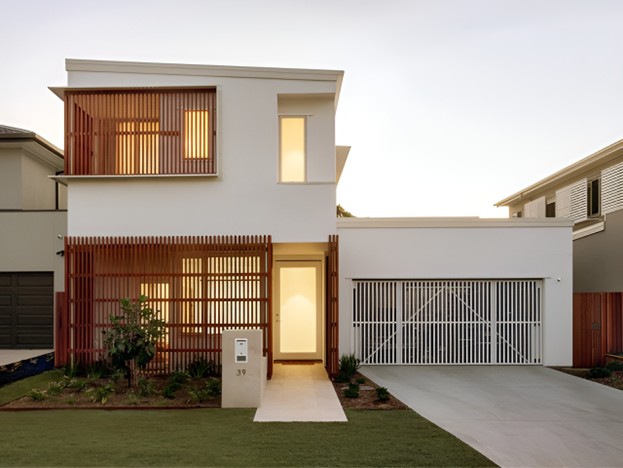
Building a home in Australia is one of the most significant investments you will ever make. Done well, it is deeply rewarding. Done without the right preparation, it can become a source of real stress. At Tide Constructions, we have spent years refining a process that removes the uncertainty from the build journey. This guide covers what every homeowner should know before breaking ground.
Key Takeaways
- Clear planning before any build begins prevents the most costly mistakes: The majority of budget blowouts and timeline delays in residential construction trace back to decisions or gaps in planning that could have been addressed in the earliest stages.
- Your builder selection is the most consequential decision you will make: A QBCC-licensed builder with a structured process and verifiable track record is your primary protection against delays, defects, and cost surprises.
- A fully fixed-price contract provides genuine financial certainty: Under Queensland law, once a fixed-price contract is signed, your builder cannot pass on industry cost increases. This is a meaningful protection that homeowners should insist on.
- Communication structures determine how smoothly a build runs: Weekly updates, a dedicated project manager, and documented decisions keep everyone aligned and prevent the misunderstandings that turn manageable issues into disputes.
- The average cost to build a home in Queensland sits around $450,806: However, custom and architectural builds vary considerably. Understanding what drives your specific cost before signing any agreement is essential.
Step 1: Get Your Planning Right Before You Start
The most stressful home builds are almost always the ones where the planning stage was rushed. Decisions that are easy and inexpensive to make on paper become expensive and disruptive once construction has started. Time spent in planning is never wasted.
A thorough planning stage involves selecting your land or assessing your existing block, engaging a building designer or architect to develop concept plans, understanding council zoning and any heritage or overlay requirements that apply to your property, and establishing a realistic budget that accounts for every cost, including siteworks, council fees, landscaping, and a contingency allocation.
According to the Australian Bureau of Statistics building activity data, the average new dwelling in Queensland is approximately 245 square metres. The average cost to build in Queensland currently sits at around $450,806, though custom and architecturally designed homes carry considerably higher per-square-metre rates. Setting a realistic budget from the outset and understanding where your project sits within that range is the foundation of every successful build.
Step 2: Choose a Licensed, Experienced Builder
In Queensland, all residential building work must be carried out by a QBCC-licensed contractor. The Queensland Building and Construction Commission provides the licensing framework that protects homeowners from unlicensed practitioners and ensures that work carried out on your home is covered under the Queensland Home Warranty Scheme.
The QBCC’s guidance on why construction costs rise and preparation advises homeowners that a clear, comprehensive contract is their best protection against cost increases, and that choosing a QBCC-licensed contractor with a verifiable history is the starting point for any building project in Queensland. Always check a builder’s licence status and review their project history before committing.
When assessing potential builders, ask the following:
How many active projects do they manage concurrently?
A builder managing too many builds simultaneously will have limited capacity to give your project proper attention.
Who is your dedicated project manager?
The person managing your build and the communication pathway should be clearly defined before any agreements are signed.
What does their quality assurance process look like?
Professional builders conduct systematic quality checks at multiple stages. Ask specifically what those checkpoints are.
Can they provide references from completed builds?
Speaking with past clients and visiting completed projects gives you a realistic picture of the builder’s work and process.
Step 3: Understand Your Contract Before You Sign
A building contract is a legally binding agreement that will govern your project for the entire construction period. In Queensland, any residential building work exceeding $3,300 requires a written contract. Understanding what that contract does and does not include is critical to protecting yourself financially.
The Housing Industry Association’s building contracts guide for Queensland notes that the key difference between contract types is in how they handle cost variations and unforeseen circumstances. A fixed-price contract protects you from cost increases within the agreed scope, while contracts that include provisional sums or prime cost allowances carry more financial uncertainty.
Under Queensland legislation, once a fixed-price building contract is signed, a builder does not have the contractual right to pass on industry cost increases to the homeowner. This is a significant protection that distinguishes a genuine fixed-price contract from arrangements that include variable components. Always confirm with your builder exactly what is and is not included in the fixed price, and ensure variations are always documented in writing before being actioned.
Step 4: Engage the Right Design and Technical Team
The quality of your home is shaped significantly by the quality of the design and technical team behind it. A well-designed custom home is not just aesthetically satisfying. It is structurally sound, energy-efficient, appropriately oriented for the Brisbane climate, and functional for the way you actually live.
Brisbane’s subtropical climate rewards homes designed for cross ventilation, shade, and passive cooling. An experienced architect or designer who understands the specific conditions of your suburb, your block orientation, and the Brisbane lifestyle will produce a result that a generic project home simply cannot match. The relationship between good design and the long-term liveability and value of a home is substantial.
New home builds service at Tide Constructions is structured around close collaboration with leading Brisbane architects and designers from the earliest stages of concept development, ensuring that design intent and buildability are aligned before any costs are committed.
Step 5: Plan for the Handover Stage
The handover of your new home is not the end of the process. It is a critical checkpoint. A professional builder will conduct a thorough inspection of the completed home before handing over the keys, checking every element against the agreed specifications and plans.
Early planning also includes understanding the stages of the build from concept through to handover. Knowing what each stage involves, and what quality checks should occur at that stage, means you are an informed participant in the process rather than a passive bystander.
At handover, walk through the home systematically with your builder. Document any defects you observe. Understand your rights under the Queensland Home Warranty Scheme and what the builder’s obligation is for defect rectification in the period following handover.
Conclusion
Home construction does not have to be stressful. With the right builder, a clear process, a fixed-price contract, and structured communication, it can be one of the most rewarding experiences of your life. If you are ready to begin, contact us for a free consultation. We build custom homes across Brisbane and the Gold Coast with precision, transparency and genuine care for every detail.
FAQs:
How long does it take to build a custom home in Brisbane?
Most custom builds in Brisbane take between 10 and 14 months from contract signing to handover, depending on design complexity.
How much does it cost to build a custom home in Queensland?
The average Queensland build costs around $450,806, but custom architectural homes typically range from $2,700 to $4,650 per square metre.
What does QBCC-licensed mean for home builders in Queensland?
QBCC licensing confirms your builder meets Queensland’s professional and financial standards and that your project is covered by the Home Warranty Scheme.
What is a fixed-price building contract?
A fixed-price contract sets a locked build price that the builder cannot increase due to rising material or labour costs after signing.
How do I avoid budget blowouts when building a home in Australia?
Complete all design decisions before signing the contract, insist on a fixed-price agreement, and always document variations in writing.
Can I build a custom home on a narrow lot in Brisbane?
Yes. Narrow lot custom homes are achievable in Brisbane with the right builder and architect experienced in site-specific design constraints.