
What to Expect During the Home Building Process
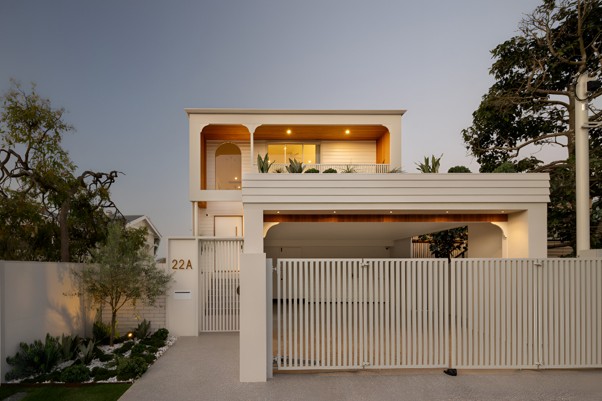
Building a new home is one of the biggest decisions you will ever make, and knowing what lies ahead changes everything. At Tide Constructions, we have walked countless Brisbane families through design, approvals and construction with honesty and a steady hand. This guide breaks down each stage of the journey, from your very first sketch through to the day you turn the key in your own front door.
Key Takeaways
- Every build moves through clear stages, from design to handover
- A fixed price contract protects you against unexpected cost blowouts
- Council approvals and inspections shape your overall timeline
- Regular site meetings keep you involved without adding stress
- Choosing an experienced Brisbane builder reduces delays and rework
Turning an Idea Into a Plan
Every home starts with a conversation, not a hammer. Long before a single peg goes into the ground, you will sit down with your designer to talk through lifestyle, block orientation and budget. This early planning stage is where the bones of your future home take shape, covering room layouts, facade style, and the balance between your wish list and your budget.
It pays to be patient here. Rushing concept plans often leads to costly revisions later, once contracts are signed and consultants are engaged. Research from Curtin University into housing delivery across Australia found that construction delays have stretched considerably in recent years, adding significant cost to the average build. Getting your brief right from day one is one of the simplest ways to avoid that outcome.
Expect a handful of meetings during this phase, along with preliminary costing so you know roughly where your budget sits before committing to detailed drawings. Think of it as the surveying stage of your journey, mapping the route before the real walking begins.
Contracts, Approvals and the Fine Print
Once your concept plans are locked in, the paperwork begins in earnest. Consultants such as engineers, town planners and interior designers are engaged, and your builder starts the tender process to work toward a fixed price. This is where the Queensland Building and Construction Commission becomes relevant, since it oversees licensing, contracts and the home warranty scheme that protects Queensland homeowners.
A fixed price contract, rather than a cost plus arrangement, is worth insisting on wherever possible. A clear, well documented contract is one of the strongest protections a homeowner has against disputes down the track. Your building approval, issued by a licensed certifier, also sits within this phase, alongside mandatory inspections at key milestones such as slab, frame and final completion.
It can feel like a mountain of admin, but every document exists to protect you. A builder who explains each step, rather than rushing you to sign, is one worth holding onto.
Breaking Ground: The Stages of Construction
With contracts signed, construction typically unfolds across a handful of recognisable stages, being site preparation, base and slab, frame, lock up, fixing, and finally practical completion. Each stage triggers a progress payment and, ideally, an independent inspection before work moves forward.
Material and labour pricing has shifted noticeably over the past couple of years. Rising steel and concrete costs pushing tender prices higher across most Australian capitals through 2026, while broader commentary in Money magazine highlights how tight approval timeframes and supply pressures continue to squeeze new housing delivery nationally. None of this needs to derail your project, but it explains why a detailed schedule, and a builder who manages procurement early, matters more than ever.
At Tide Constructions, purchase orders for materials and labour are issued early in the process specifically to guard against these kinds of surprises, keeping your build schedule as steady as possible from footings through to the final coat of paint.
Staying Involved Without Losing Your Weekends
A common misconception is that building a home means disappearing for ten months and reappearing at handover. In reality, the best builds happen when homeowners stay lightly but consistently involved. Weekly site meetings, walkthroughs at plumbing and electrical fix stage, and a shared project portal all help you track progress without needing to visit the site daily.
Academic research into Australian house completion times found that workflow based planning, essentially a well sequenced schedule, has a measurable effect on how quickly a home is finished. That is a strong argument for choosing a builder with a genuine scheduling system, not just a rough guess at completion dates.
Ask questions early, request updates often, and do not be afraid to raise concerns the moment they arise. Builders who welcome that kind of involvement are usually the ones delivering the smoothest projects.
Handover Day and What Comes After
Handover is the moment all the planning, paperwork and patience pays off. In the weeks beforehand, expect a defects inspection, where any outstanding items are noted and rectified before keys change hands. Treating this final walkthrough as seriously as your very first site visit, checking doors, tapware, tiling and paint finishes with fresh eyes.
Once you have moved in, most builders offer a defects liability period, typically several months, during which minor issues can still be raised and fixed. Keep your handover documents, warranties and manuals somewhere safe. They will matter more than you expect, whether you are chasing a repair or simply working out which switch controls what.
From here, the only thing left to do is enjoy the home you helped shape from the very first sketch.
Conclusion
Building a home is a significant journey, but with the right guidance, it does not have to feel overwhelming. Every stage, from first concept to final handover, is designed to protect your investment and bring your vision to life. If you are ready to start planning your Brisbane build, get in touch with us today for a friendly, no pressure conversation.
FAQs:
How long does it take to build a new home in Australia?
Most builds take between eight and twelve months, though complexity, weather and approvals can extend that timeframe.
Do I need council approval before building?
Yes, all regulated building work requires approval from a licensed certifier before construction can begin on site.
What is a fixed price building contract?
It is a contract locking in your total build cost upfront, protecting you from unexpected price increases during construction.
How many inspections happen during a build?
Mandatory inspections typically occur at slab, frame and final stages, though quality builders often conduct several more.
Can I make changes once construction has started?
Yes, though variations should always be documented in writing and agreed upon before any work proceeds further.
What happens if defects are found at handover?
Most builders offer a defects liability period, giving you time to report and resolve minor issues after moving in.