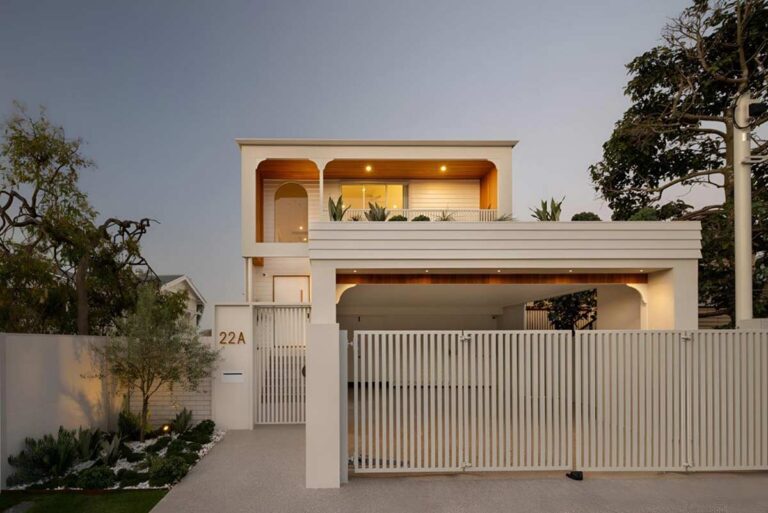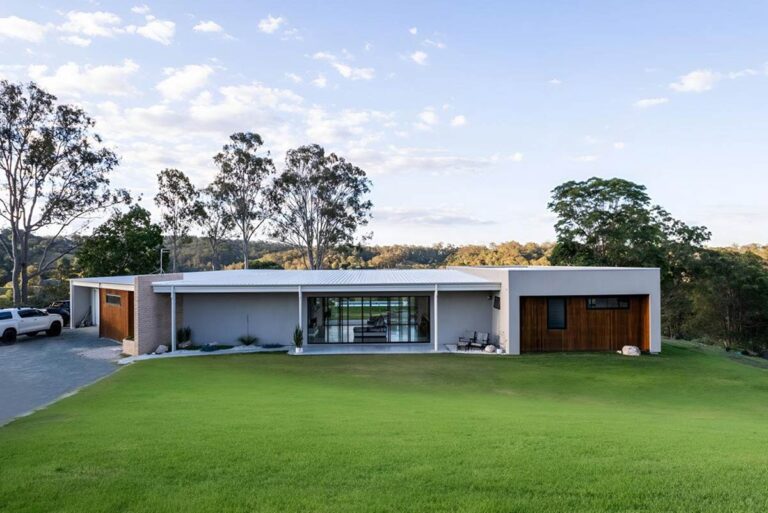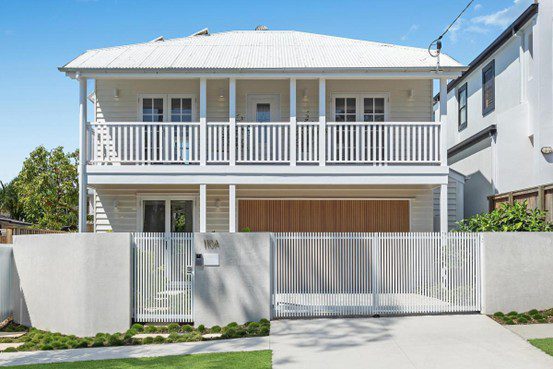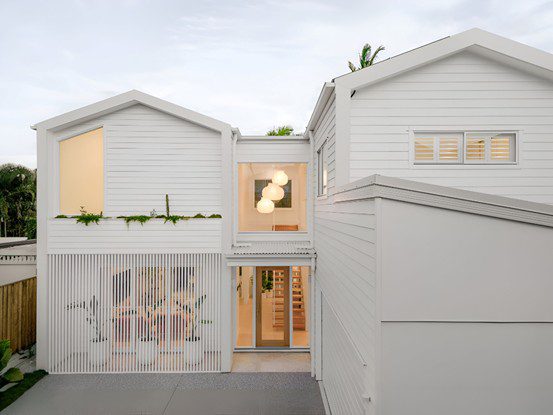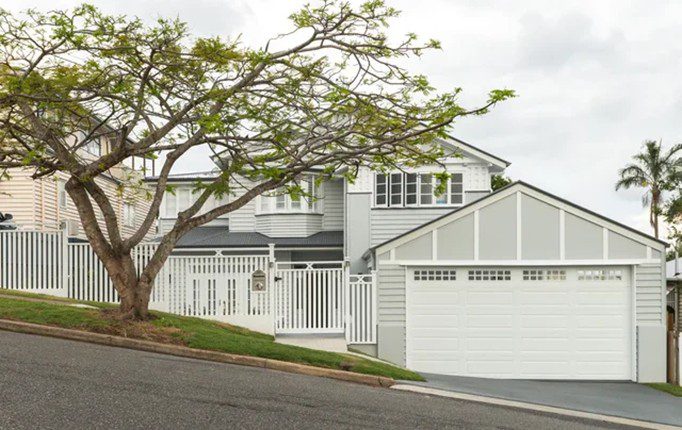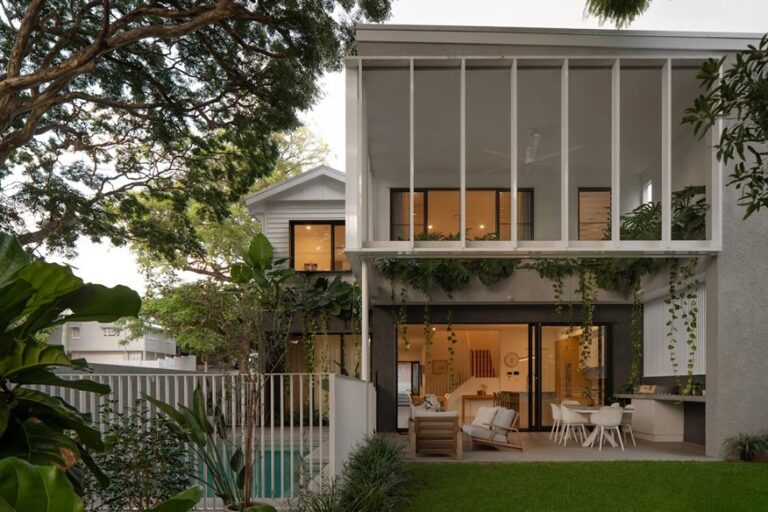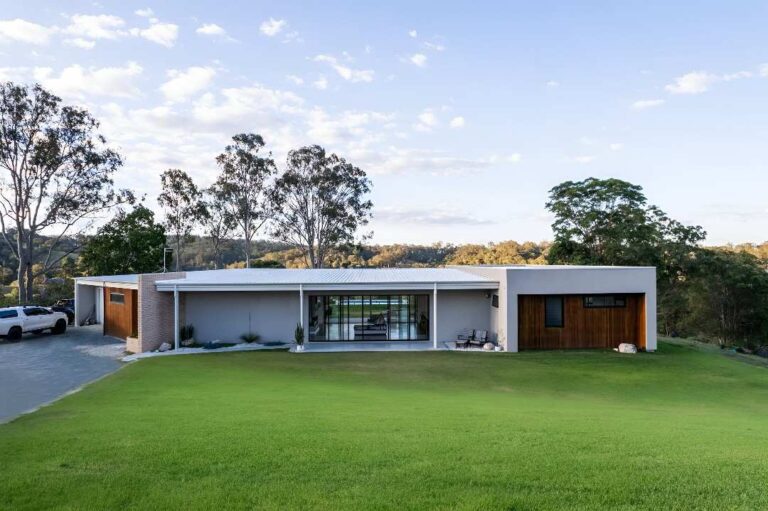

Designing a luxury custom home in Brisbane requires discipline, foresight, and an understanding of the place. Every decision, from orientation to materials, shapes comfort, longevity, and daily living. At Tide Constructions, luxury homes are planned around Brisbane’s climate, planning frameworks, and refined construction standards. The result is a residence that feels composed, functional, and enduring, crafted to support modern lifestyles while maintaining architectural clarity and long-term value.
Key Takeaways
- Luxury in Brisbane is defined by performance and planning
- Site selection influences every design decision
- Climate-responsive materials protect long-term value
- Structured construction delivers consistency
- Early planning reduces risk and cost escalation
Understanding What “Luxury” Means in Brisbane
Luxury in Brisbane is shaped by environment and lifestyle. Homes must respond to heat, storms, and sunlight while maintaining comfort and visual restraint.
Key characteristics of Brisbane luxury homes include:
- Passive design that reduces reliance on mechanical cooling
- Seamless indoor–outdoor connections
- Materials selected for longevity in subtropical conditions
- Spaces designed for privacy, light, and airflow
Local planning and climate data provide guidance on zoning, overlays, and site constraints that influence early design decisions.
Why Build a Luxury Custom Home in Brisbane?
Brisbane strikes a rare balance between cosmopolitan living and laid-back Queensland charm. From the prestige streets of Brisbane to the waterfront enclaves near the Brisbane River, there’s no shortage of premium locations.
Here’s why building custom makes sense:
- Tailored to Your Lifestyle – Design every detail around how you live.
- Premium Locations – Knock down and rebuild in blue-chip suburbs.
- Climate-Responsive Design – Maximise breezes and natural light.
- Long-Term Value – High-end homes in prime Brisbane locations consistently perform well.
- Energy Efficiency – Integrate the latest sustainable construction.
Step 1: Secure the Right Block
Location is everything. In Brisbane, land availability in established suburbs can be tight, so many luxury homeowners opt for knockdown-rebuild projects.
Popular prestige suburbs include:
- New Farm – Riverside living close to the CBD
- Paddington – Character charm with city views
- Ascot – Grand homes and wide streets
- Hamilton – Elevated prestige and river panoramas
- Bulimba – Village vibes with luxury appeal
When selecting your block, consider:
- Orientation for natural light and airflow
- Slope and site conditions
- Flood overlays and council zoning
- Proximity to schools, dining and lifestyle hubs
Step 2: Choose the Right Builder and Architect
Luxury custom homes require a specialist approach. Not all builders are equipped to deliver high-end finishes, architectural complexity, and bespoke detailing.
Look for:
- Proven experience with premium builds
- Transparent costing processes
- Strong local knowledge of Brisbane City Council regulations
- Access to high-end trades and suppliers
- A collaborative design process
Many Brisbane homeowners engage both an architect and a custom builder early on to ensure the vision aligns with budget and feasibility.
Step 3: Design for Brisbane’s Subtropical Climate
Brisbane’s warm summers and mild winters present a unique opportunity for seamless indoor-outdoor living.
Incorporate:
- Large sliding or stacking doors
- Covered alfresco areas
- Cross-ventilation design
- High ceilings for heat dissipation
- Deep eaves and shading
Luxury in Brisbane often means resort-style living at home, think infinity pools, outdoor kitchens, and landscaped courtyards that make the most of the Queensland sunshine.
Step 4: Define Your Luxury Inclusions
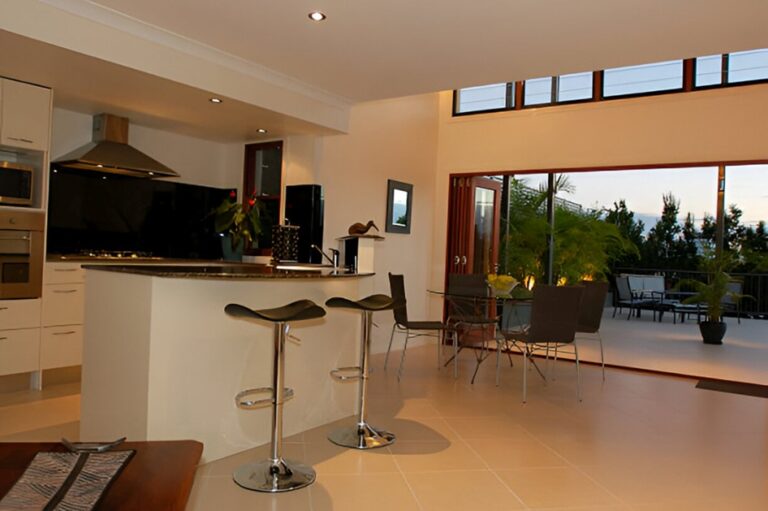
True luxury lies in the detail. A custom home allows you to select premium finishes and cutting-edge technology that elevate everyday living.
Popular luxury features include:
- Designer kitchens with stone benchtops and butler’s pantry
- Wine cellars and home theatres
- Private lifts in multi-storey homes
- Resort-style bathrooms with freestanding baths
- Heated pools and spa areas
- Custom joinery throughout
Consider integrating sustainable luxury as well:
- Solar panels and battery storage
- Energy-efficient glazing
- Rainwater harvesting systems
- Sustainable timber and materials
High-end homes in Brisbane are increasingly blending sophistication with environmental responsibility.
Step 5: Understand Costs and Budgeting
Luxury custom homes in Brisbane typically start from the upper end of the market and can climb significantly depending on size, finishes, and complexity.
Factors influencing cost include:
- Site preparation and excavation
- Architectural complexity
- High-end materials and imported finishes
- Bespoke joinery and craftsmanship
- Landscaping and pool installation
- Smart technology integration
Always allow a contingency budget for unforeseen site conditions or design changes. Transparency with your builder is crucial to avoid surprises.
Step 6: Navigate Approvals and Regulations
Building in Brisbane involves navigating local planning requirements. The Brisbane City Council oversees zoning, development approvals, and building regulations.
You may need:
- Development approval (DA)
- Building approval (BA)
- Heritage overlays assessment (in character suburbs)
- Flood compliance certification
Working with experienced professionals helps streamline this process and reduce delays.
Step 7: Build with Quality and Craftsmanship
Luxury construction isn’t rushed. Premium homes require meticulous attention to detail and skilled trades.
During construction:
- Conduct regular site inspections
- Maintain open communication with your builder
- Confirm timelines and milestones
- Monitor quality of finishes
A well-managed build ensures the final product reflects the design vision and investment.
Step 8: Create a Cohesive Interior Vision
Luxury isn’t just about square metres, it’s about cohesion and flow. Engage an interior designer early to align materials, colour palettes, lighting, and furnishings.
Key considerations:
- Statement lighting features
- Custom furniture and cabinetry
- Natural stone and premium textures
- Seamless transition between indoor and outdoor spaces
- Landscaping that complements architecture
Brisbane’s lifestyle often inspires light, airy interiors with neutral tones and organic finishes that echo the subtropical environment.
Step 9: Landscaping and Outdoor Living
In Brisbane, outdoor space is just as important as what’s inside.
Luxury landscaping might include:
- Designer gardens with native species
- Irrigation systems
- Outdoor entertaining pavilions
- Fire pits or sunken lounges
- Water features
A thoughtfully designed exterior enhances street appeal and overall property value.
Conclusion
A luxury custom home is not defined by size or features alone. It is defined by restraint, clarity, and how well the home supports life in Brisbane’s climate. If you are planning a new-build custom home service and value precision, structure, and long-term quality, contact us to discuss a tailored approach to your next home.
FAQs:
How long does it take to build a luxury custom home in Brisbane?
Timeframes vary by complexity, approvals, and site conditions. Most luxury builds take between 10 and 14 months once construction begins.
Is a custom home more expensive than a project home?
Custom homes involve higher design input and material specification. However, they provide greater control, longevity, and alignment with lifestyle needs.
Do I need an architect for a luxury home?
An architect is recommended for complex or design-led homes. Some builders work directly with designers to streamline the process.
How do Brisbane building regulations affect luxury homes?
Planning overlays, flood mapping, and energy standards can influence design and approvals. Early assessment helps prevent redesign later.
Can luxury homes still be energy efficient?
Yes. High-end homes often exceed minimum energy standards through better materials, smart orientation, and integrated systems.
When should I involve a builder in the process?
Engaging a builder during design development helps align budget, buildability, and timelines from the outset.