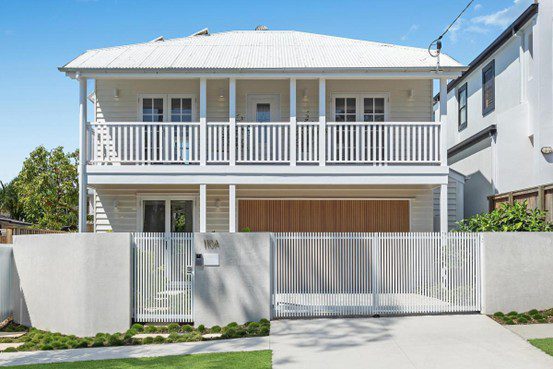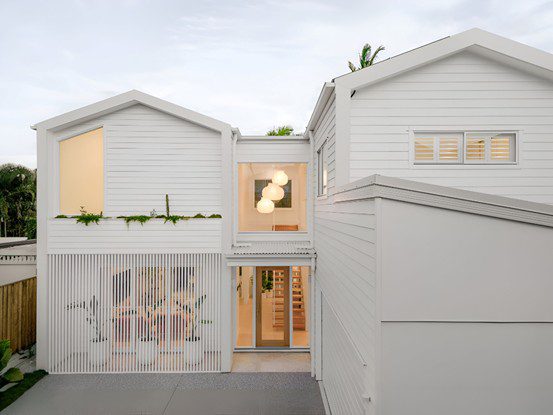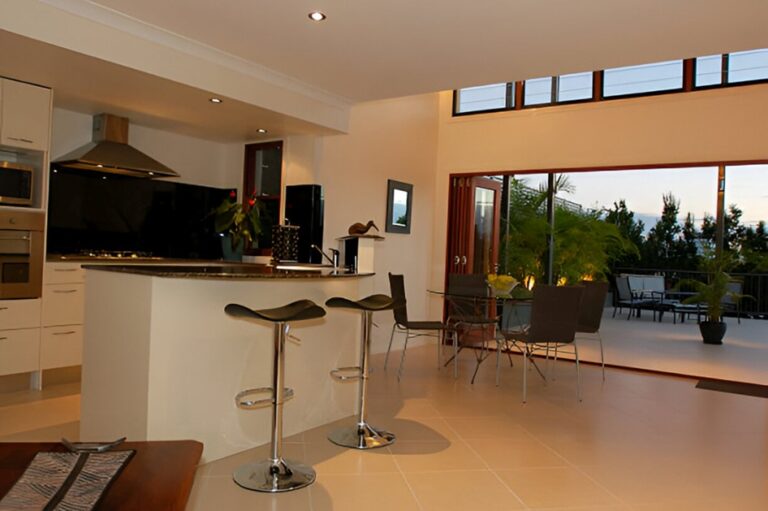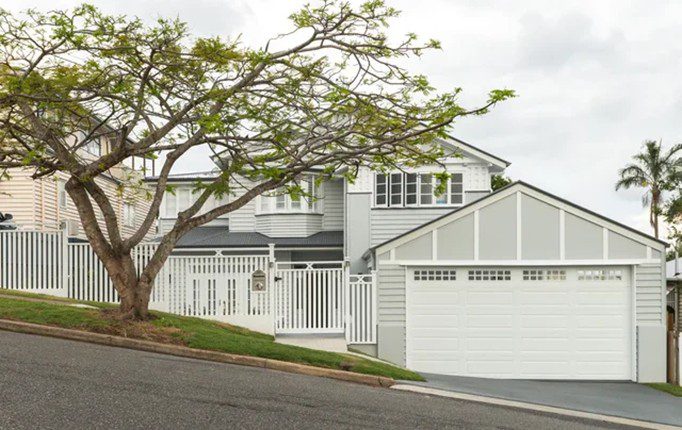
Sustainable design has moved from trend to expectation, and at Tide Constructions, this shift is shaping the next era of custom homes. Modern builds now blend energy-efficient systems with intuitive smart-home technology, establishing homes that are healthier, more economical, and built for future demands. These solutions support long-term comfort while aligning with evolving environmental standards.
Key Takeaways
- Sustainable features improve long-term energy performance.
- Smart-home systems provide seamless control across essential functions.
- Renewable energy options increase household efficiency.
- Water-saving systems lower consumption without reducing convenience.
- Modern materials support healthier indoor environments.
Why Sustainable Design Matters in Custom Homes
- Sustainable construction continues to grow across Australia as property owners seek homes that offer strong performance with reduced environmental impact. Recent national reports highlight the shift toward higher energy standards and improved building efficiency. This approach supports healthier living while lowering long-term household costs.
- Custom builds present an effective way to integrate sustainable design from the earliest planning stage. Flexible layout design allows the inclusion of technologies, materials, and systems that support energy-responsible living. Long-term value is shaped not only by aesthetic appeal but also by a home’s capacity to operate efficiently and adapt with time.
Smart-Home Technology for Modern Living
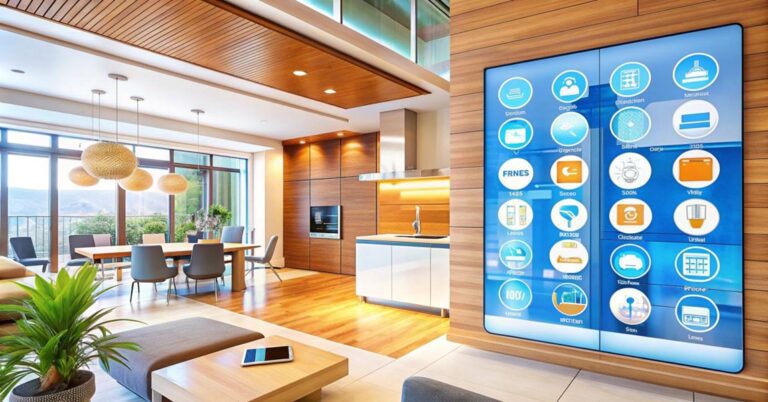
Smart-home systems deliver streamlined daily management across key household functions. Features such as automated lighting, temperature control, and integrated security work together to establish environments that adjust smoothly to day-to-day needs. These systems also support improved efficiency by regulating essential functions with consistent accuracy, making it easier to automate your home for improved comfort, safety, and control.
Key Smart-Home Inclusions
- Automated lighting tailored to natural light patterns, ensuring interior spaces receive balanced illumination throughout the day while reducing unnecessary energy use.
- Smart thermostats are designed to regulate internal temperatures with precision, helping maintain a consistent indoor climate and reducing reliance on manual adjustments.
- App-based monitoring for oversight of access points and energy usage, offering clear visibility into home activity while allowing users to manage settings remotely for improved convenience.
- Sensor-enabled appliances that optimise operation patterns and reduce wastage, using adaptive technology to respond to daily habits and enhance overall efficiency.
Information from recent industry assessments shows that controlled energy systems can significantly reduce household consumption, supporting stronger long-term savings and more sustainable operation.
Energy-Efficient Construction Materials
Energy-efficient materials play a central role in determining how a home performs throughout the seasons. These materials strengthen insulation, lower cooling and heating demands, and enhance durability. Material selection is supported by Australian performance standards such as the Nationwide House Energy Rating Scheme (NatHERS), which provides clear benchmarks for homes designed with energy responsibility in mind.
Popular Options
- High-performance glazing that reduces unwanted heat transfer, enabling windows to maintain comfortable temperatures while minimising external climate impact on internal spaces.
- Insulated wall systems are designed to stabilise internal temperatures, helping maintain consistent conditions even during periods of extreme heat or cold.
- Low-emission paints and finishes that support better indoor air quality, creating healthier environments by reducing exposure to unnecessary chemical compounds.
- Sustainable timber and composite materials are aligned with environmental obligations, offering durable structural solutions while supporting responsible sourcing practices.
These well-considered material choices contribute to improved comfort throughout the year by forming stable internal conditions with reduced reliance on mechanical heating and cooling systems.
Renewable Energy Systems in Custom Builds
Solar power has become one of the most prominent additions in sustainable home construction. Strong nationwide growth in residential solar installations demonstrates rising interest in renewable solutions that offer both long-term security and enhanced efficiency.
Popular Renewable Inclusions
- Rooftop solar arrays for daytime energy generation, providing households with direct access to renewable power and reducing dependence on external electricity supply.
- Battery storage units support night-time power and blackout protection, ensuring stored solar energy can be used during evening hours or unexpected outages.
- Heat-pump hot water systems are known for high efficiency and low running costs, offering a reliable alternative to traditional water-heating methods while reducing energy consumption.
- Solar-powered ventilation that stabilises roof and attic temperatures, improving airflow and reducing strain on cooling systems during warmer months.
These renewable technologies support long-term financial stability while delivering measurable reductions in grid electricity reliance.
Water-Smart Features for Sustainable Living
Water efficiency forms a major part of modern sustainable design, especially in response to Australia’s varying climate conditions. Established industry resources provide guidance on selecting systems that help minimise waste while maintaining day-to-day convenience.
Common Water-Saving Choices
- Rainwater harvesting systems connected to gardens, toilets, and laundry zones, reducing pressure on the mains supply while supporting essential household functions.
- Low-flow fixtures that maintain strong performance while reducing usage, delivering the same level of comfort with significantly lower water consumption.
- Greywater recycling units support outdoor irrigation, offering an effective way to repurpose used water for gardens and landscaping needs.
- Drought-resistant landscaping that reduces long-term maintenance demands, supporting attractive outdoor areas that require minimal watering and upkeep.
These water-smart measures help households reduce overall consumption while maintaining functionality and comfort across daily routines.
Indoor Air Quality and Healthy Environments
Healthy indoor environments rely on a mix of ventilation, suitable materials, and balanced internal airflow. Modern construction increasingly prioritises features that support cleaner air and stable indoor conditions throughout the year. Low-emission materials and advanced mechanical ventilation systems, such as ERV and HRV units, can provide ongoing circulation while preventing moisture build-up.
Key Indoor Air Quality Measures
- Improved ventilation pathways for continuous fresh air movement, reducing indoor stagnation and creating environments that feel cleaner and more comfortable.
- Moisture-resistant materials that reduce the risk of mould, helping maintain long-term structural integrity and healthier internal conditions.
- Air filtration systems that capture fine particles and allergens, supporting improved respiratory comfort and overall household wellbeing.
These carefully selected inclusions help establish environments suitable for a wide range of climates, from coastal regions with higher humidity to warmer inland locations with greater temperature variability.
Conclusion
Sustainable and smart-home features continue to shape the next generation of custom homes, offering long-term comfort, efficiency, and strong value. The combination of responsible materials, advanced technology, and carefully considered design establishes homes that function with precision while supporting environmental expectations. For guidance on integrating these features into a future project, clients are invited to connect with us for tailored support and detailed planning.
FAQs
1. What are the most important sustainable features in a custom home?
Energy-efficient insulation, solar systems, and high-performance materials are commonly regarded as effective sustainable features.
2. How does smart-home automation improve daily living?
Smart-home automation improves daily routines by regulating lighting, temperature, and security based on real-time conditions.
3. Do sustainable materials increase the cost of a new home?
Sustainable materials may influence upfront costs, yet many options contribute to reduced long-term energy expenses.
4. Are renewable energy systems suitable for all home designs?
A wide range of home designs can accommodate solar and battery systems when planned appropriately.
5. What improves indoor air quality in custom builds?
Indoor air quality is strengthened through mechanical ventilation, low-emission materials, and balanced airflow pathways.
6. Can water-saving systems be added to existing homes?
Various water-efficient fixtures and tanks can be incorporated into established homes with suitable planning.