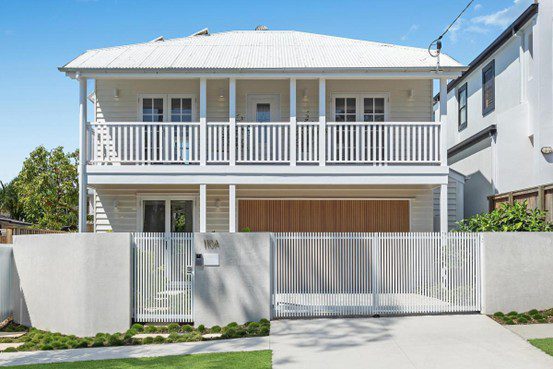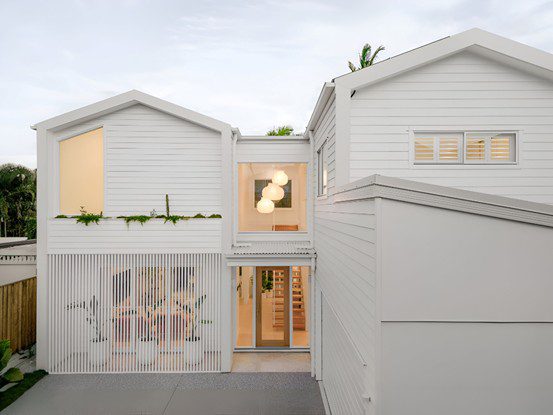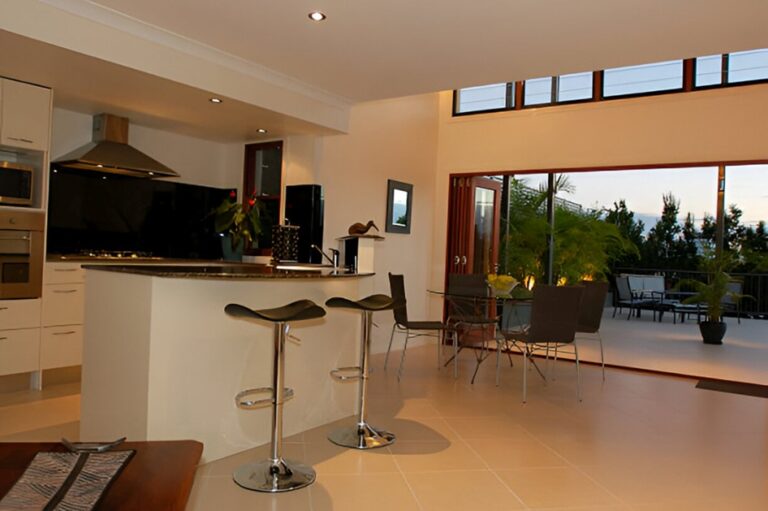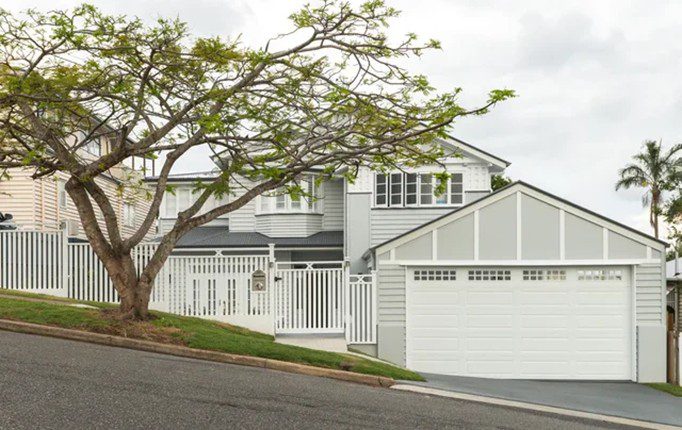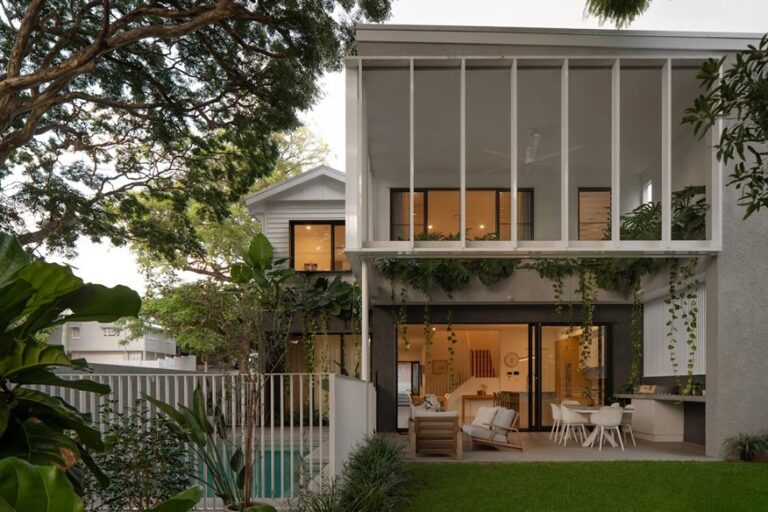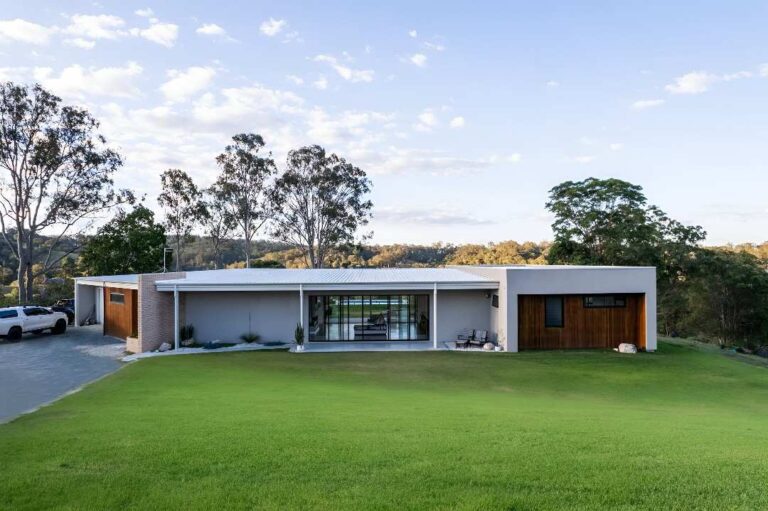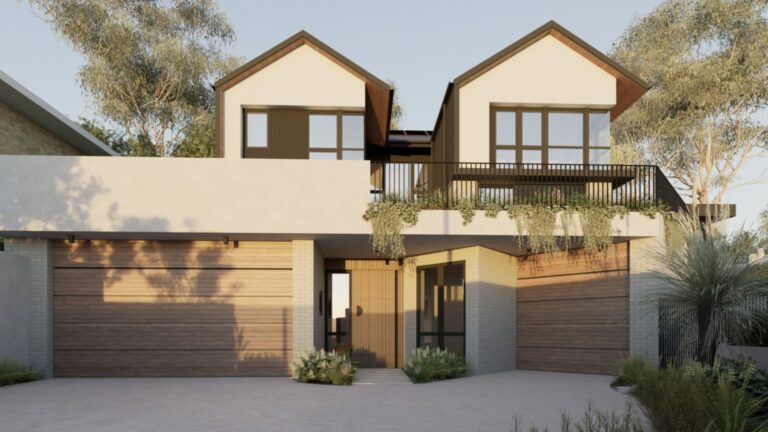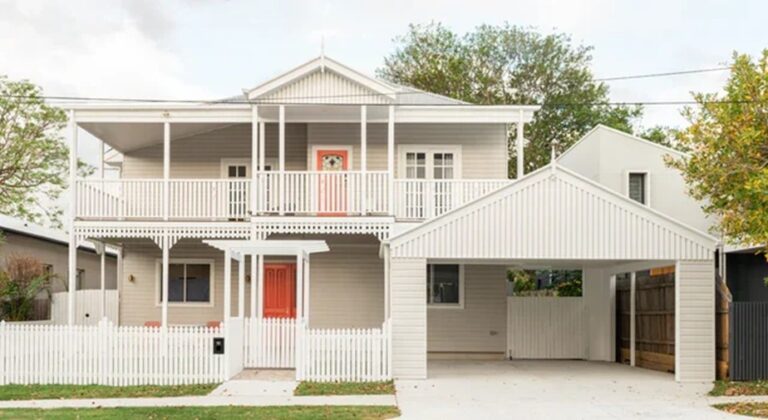

Choosing the right architect and designer shapes the success, comfort and long-term value of a custom home. Every decision, from planning to material selection, relies on clear communication and professional guidance. At Tide Constructions, clients often want assurance that their team understands design principles, council requirements and the needs of modern households. Choosing the right professionals ensures your vision becomes a functional, well-built and enduring home.
Key Takeaways
- Choose professionals with relevant experience
- Ensure communication is clear and consistent
- Review past projects and design style
- Confirm knowledge of local regulations
- Seek a team that aligns with your long-term goals
Understanding the Role of Architects and Designers
Architects and designers play distinct yet complementary roles throughout the custom home process. An architect focuses on structure, function and regulatory requirements, while a designer directs the interior flow, layout and material choices. Both roles contribute to clarity, comfort and long-term usability. Their combined expertise ensures the home works well with the site, meets council expectations and supports the daily needs of the household. When both professionals collaborate effectively, the result is a balanced, practical and well-planned custom home with customised home features aligned to your lifestyle.
Key responsibilities within each role include:
- Interpreting client goals and translating them into functional layouts
- Ensuring compliance with local building standards
- Selecting materials suited to climate and lifestyle
- Coordinating documentation for approvals and construction
- Creating design solutions that improve long-term liveability
Why the Right Team Matters?
Selecting the right architect and designer has a direct impact on how smoothly a custom home progresses from planning to completion. The team you choose shapes early concept decisions, coordinates technical details and helps maintain consistency across every stage. A reliable partnership ensures the home is designed with precision and constructed with confidence, reducing uncertainty and improving the overall experience.
Your architect and designer influence:
- Home functionality
- Budget management
- Design flow
- Construction efficiency
- Regulatory compliance
- Long-term liveability
A strong team helps avoid delays, cost blowouts and design conflicts, providing a clear foundation for a successful build.
The architect or designer you choose will shape the functionality, feel, and flow of your new home. They’ll also influence how well your home responds to the climate, your lifestyle, and your long-term needs. Here’s how to navigate the process with confidence.
Start With Your Vision and Needs
Before you even begin contacting architects or designers, it’s worth taking the time to define what you want. Being clear about your goals not only helps you communicate effectively but also allows professionals to determine whether they’re the right fit for your project.
Consider outlining:
- Your Preferred Style – Modern, coastal, Hamptons, minimalist, sustainable, heritage-inspired, etc.
- Your Lifestyle Needs – Growing family, multigenerational living, home office requirements, and outdoor entertaining.
- Your Block Conditions – Sloping site, small urban block, acreage, bushfire zone.
- Your Budget Range – Allowing for both construction and design fees.
- Your Must-Haves & Wish List – Features you can’t live without and extras you’d love if the budget allows.
Clarity early on ensures you’re comparing architects and designers based on how well they align with your expected outcomes.
Architect vs Building Designer: Know the Difference
Both architects and building designers can create custom homes, but there are key distinctions.
Architects:
- Must be registered with a state or territory Architects Registration Board.
- Have extensive university training and professional accreditation.
- They are ideal for complex sites, highly detailed designs, or when you want a truly unique architectural statement.
- Often charge higher fees but bring a greater depth of design expertise and project oversight.
Building Designers (Draftspeople):
- May be licensed through the Building Designers Association or relevant state bodies.
- Typically offer cost-effective design solutions.
- Well-suited for straightforward custom homes, renovations, or clients who already have a strong idea of their vision.
- Can deliver excellent results if you choose an experienced, reputable designer.
There’s no right or wrong choice here, just the right choice for your needs and budget.
Research, Shortlist, and Compare
Once you know what you’re after, it’s time to explore your options. This is the fun part, scrolling through portfolios, visiting display homes, and chatting with industry professionals.
Ways to build your shortlist:
- Search Online Portfolios – Look for styles that match your taste.
- Check Reviews and Testimonials – Google and social media can be revealing.
- Ask for Recommendations – Neighbours, builders, and friends can offer trusted insights.
- Visit Completed Homes – Many designers showcase their work through open homes or case studies.
When comparing, consider:
- Design style & aesthetic.
- Experience with your type of block or project.
- Understanding of local council regulations.
- Sustainability and energy-efficiency knowledge.
- Communication style and personality fit.
It’s essential to feel comfortable with your chosen designer; you’ll be working together for months, sometimes years.
Assess Their Process and Communication Style
A great architect or designer doesn’t just produce beautiful drawings, they guide you through the entire journey.
Ask each professional to explain their process. Look for clarity around:
- Initial consultation and briefing.
- Concept design development.
- Detailed drawings and documentation.
- Council or private certification approvals.
- Collaboration with builders.
- Project management or oversight.
You want someone who listens, communicates well, and is transparent about timelines and expectations.
Review Their Fees and What’s Included
Design fees can vary significantly, so understanding the breakdown is critical. When reviewing quotes, check for:
- Fixed price vs percentage-based fees.
- What documentation is included (concept plans, working drawings, engineering, energy reports).
- Any additional charges for amendments or extra site visits.
- Inclusions for council approvals or consultant management.
A lower upfront fee isn’t always the best value. Thorough documentation often leads to smoother construction and fewer costly surprises.
Look for Local Knowledge
Australian building requirements vary widely between states, councils, and environments. Choosing someone who understands local regulations and conditions can save time and stress.
Local professionals often have:
- Existing relationships with builders and trades.
- Knowledge of bushfire (BAL) ratings and flood or cyclone zones.
- Familiarity with local planning rules.
- A better feel for climate-responsive design, including orientation, shading, and ventilation.
This insight ensures your home is not only beautiful but practical and compliant.
Trust Your Instincts
After consultations, reviews, and comparisons, the final decision will often come down to how you feel. If a designer listens attentively, communicates clearly, displays creativity, and respects your budget, that’s a strong sign you’re on the right track.
Conversely, if someone dismisses your ideas, rushes your questions, or seems vague about costs, it may be worth looking elsewhere.
Qualities to Look for in an Architect
1. Relevant Experience
Choose an architect who has worked on projects similar to your intended design. Experience helps ensure they understand block constraints, climate considerations and construction methods common across Australia.
2. Clear Communication
Communication should feel organised and transparent. Your architect should explain design options, regulatory requirements and potential limitations clearly.
3. Strong Technical Knowledge
Architects must understand:
- Load-bearing requirements
- Building energy-efficiency standards
- Structural expectations
- Local planning controls
- Bushfire and flood zone guidelines
4. Ability to Integrate Design and Practicality
Your architect must balance aesthetics with functionality. Practical layouts lead to better everyday comfort.
Qualities to Look for in a Designer
1. Design Consistency
Designers should demonstrate a clear style across their past work. This helps identify whether their approach aligns with your preferences.
2. Understanding of Lifestyle Needs
Great designers think beyond appearance. They tailor layouts to suit:
- Busy family routines
- Work-from-home needs
- Storage expectations
- Accessibility requirements
- Seamless indoor-outdoor living
3. Knowledge of Materials
Designers assist with material selection, ensuring durability and performance across different climate conditions.
4. Ability to Coordinate With Builders
Designers must communicate effectively with the construction team to avoid discrepancies during the build.
Questions to Ask Before Making Your Decision
Before selecting your architect or designer, consider asking:
- What experience do you have with custom homes?
- How do you approach budget control?
- What is your communication process?
- How do you ensure compliance with local regulations?
- Can you show detailed examples of similar projects?
These questions reveal the team’s design and project delivery strengths.
Ensuring Your Team Understands Local Regulations
Local councils impose planning requirements that affect height limits, site coverage, boundary setbacks and environmental considerations.
Confirm your team understands:
- Zoning rules
- Site overlays
- Approval pathways
- Structural requirements
- Energy-efficiency standards
Reliable professionals should provide clear advice early in the planning process.
How Tide Constructions Aligns With Your Architect & Designer
Tide Constructions builds close working relationships with architects and designers to maintain clarity from concept to completion. Through our process, this collaboration helps ensure:
- Accurate documentation
- Efficient scheduling
- Transparent communication
- High-quality workmanship
- Compliance with local guidelines
Clients benefit from a unified team working toward the same design vision.
Conclusion
Choosing the right architect and designer ensures your custom home reflects your lifestyle, expectations and long-term goals. A well-aligned team supports smooth approvals, strong communication and a high-quality outcome. For professional guidance and reliable construction support, contact us today and begin planning your custom home with confidence.
FAQs:
Do I need both an architect and a designer?
Most custom homes benefit from both roles, as each provides specialised skills.
How early should I engage an architect?
Engage early so site conditions, planning rules and goals can be established from the start.
How do I choose a design style?
Review past work, consider lifestyle needs and assess the function of each space.
How long does design approval take?
Approval times vary depending on council requirements and the complexity of the design.
Can my architect work directly with Tide Constructions?
Yes. Tide Constructions collaborates with architects and designers to support efficient construction.
What affects the cost of architectural services?
Scope, design complexity, documentation needs and project size influence cost.