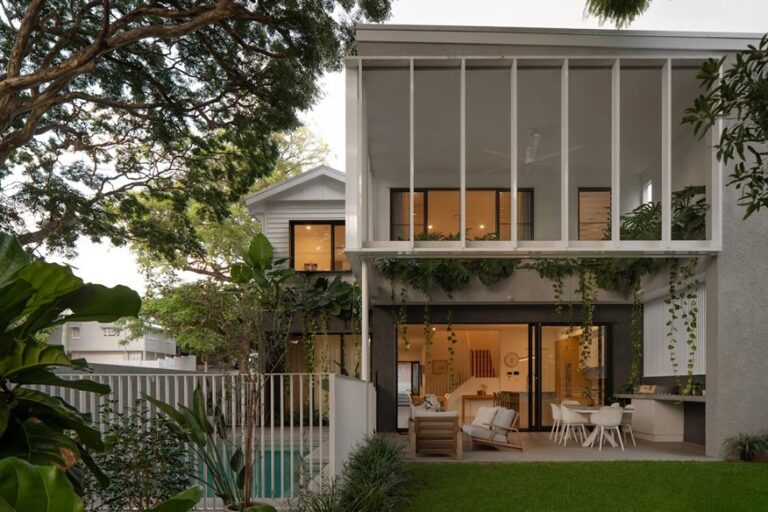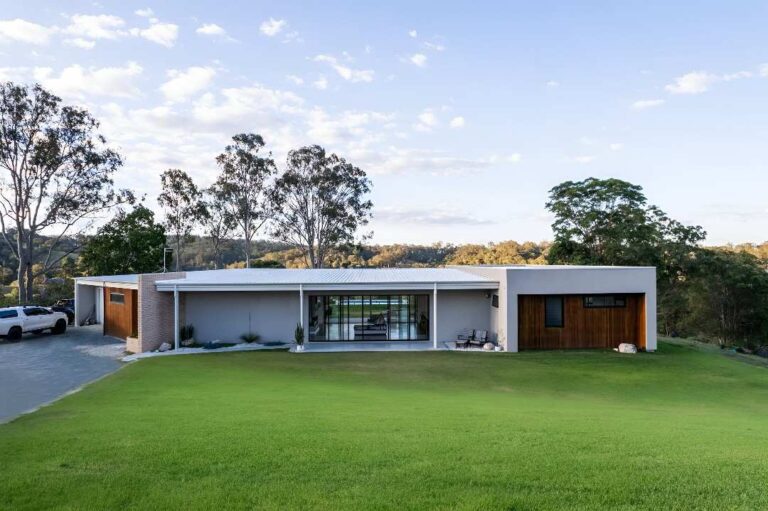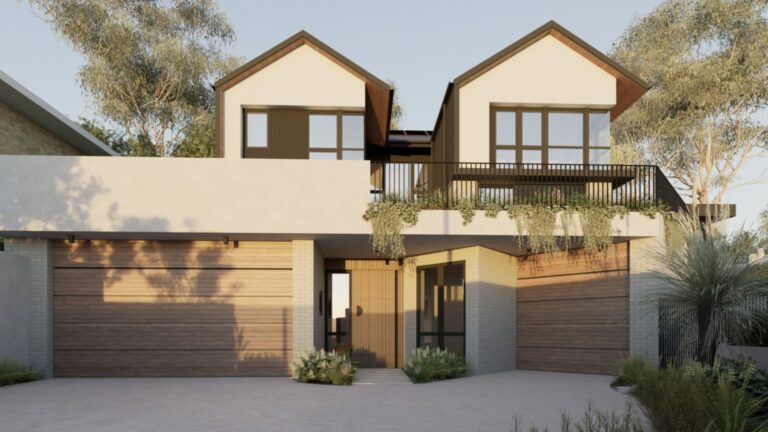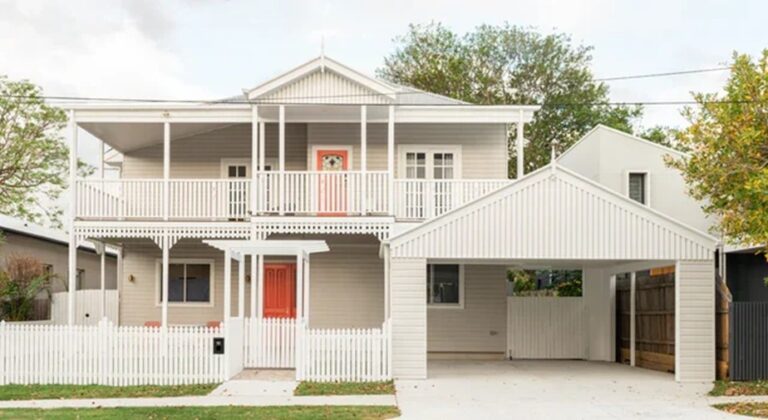

Custom homes are no longer shaped by bricks and concrete alone. At Tide Constructions, we see modern residential design evolving through smarter materials that improve performance, comfort, and long-term value. From energy-responsive surfaces to engineered systems that reduce waste, material choice now defines how a home feels, lasts, and adapts. This article explores twelve materials reshaping custom home construction and why informed selections matter more than ever.
Key Takeaways
- Material choice directly influences comfort, efficiency, and long-term lifespan
- Innovation supports lower maintenance requirements and smarter living outcomes
- Sustainability and performance increasingly function together
- Custom homes benefit from purpose-driven material selection
Why Material Innovation Matters in Custom Homes
- Residential construction has moved away from standardised builds toward highly tailored living environments. Expectations now centre on durability, thermal balance, acoustic comfort, and visual refinement without unnecessary complexity. Innovative materials meet these expectations by addressing practical challenges rather than following surface-level trends.
- Sustainable material selection plays a significant role in a home’s operational efficiency and environmental footprint. Informed decisions during the design and planning phase are therefore essential.
12 Material Innovations Shaping Modern Custom Homes
Modern custom homes are increasingly defined by the materials used to build residential spaces. Material innovation now plays a central role in improving durability, energy performance, and overall design flexibility. From structural systems to surface finishes, these advancements support smarter construction outcomes while responding to evolving lifestyle and environmental expectations.
1. Cross-Laminated Timber (CLT)
Cross-laminated timber delivers structural strength through layered timber panels bonded at right angles, creating a stable and efficient building system. This system offers:
- High load-bearing capacity, supporting multi-storey residential structures while maintaining structural integrity.
- Reduced construction time, allowing prefabricated panels to be installed quickly and with greater accuracy on site.
- Natural thermal performance, assisting in temperature regulation through the inherent insulating properties of timber.
2. Engineered Stone Alternatives
New composite stone surfaces address concerns associated with traditional engineered stone while maintaining performance and visual consistency. These materials provide:
- Improved safety profiles, supporting safer manufacturing, installation, and long-term use conditions.
- Consistent finish quality, delivering uniform colour, texture, and surface performance across applications.
- Strong resistance to wear, helping surfaces retain appearance and function under regular use.
3. High-Performance Insulated Panels
High-performance insulated panels combine structural framing, insulation, and external sheathing into a single integrated system. Benefits include:
- Faster enclosure of the building, allowing walls and roofs to be assembled quickly and reducing overall construction time.
- Reduced thermal bridging, limiting heat loss through structural elements and supporting more consistent internal temperatures.
- Improved airtightness, helping minimise air leakage and improving overall energy efficiency in home.
4. Recycled Steel Framing
Recycled steel framing delivers structural accuracy and long-term reliability without issues commonly associated with timber movement. Key advantages include:
- Dimensional stability, maintaining consistent alignment over time without warping, shrinking, or swelling.
- Termite resistance removes the risk of pest-related damage and reduces the need for chemical treatments.
- Lower long-term maintenance, supporting durability and reducing ongoing repair or adjustment requirements.
5. Low-Carbon Concrete
Concrete innovation increasingly focuses on reduced cement content and the use of alternative binders. Low-carbon concrete supports sustainable construction outcomes. These mixes provide:
- Lower embodied carbon, reducing emissions associated with cement production while maintaining performance standards.
- Comparable structural strength, delivering the load-bearing capacity required for residential construction without compromise.
- Improved curing performance, supporting consistent strength development and long-term durability.
6. Smart Glass Systems
Advanced glazing systems adapt to changing light and heat conditions, supporting comfort-focused residential design. Applications include:
- Reduced heat gain during warmer months, limiting excessive solar penetration and helping maintain more stable indoor temperatures.
- Improved insulation in cooler conditions assists in heat retention and reduces reliance on heating systems.
- Enhanced daylight control, allowing natural light to be moderated without glare while maintaining visual connection to the outdoors.
7. Fibre Cement Composites
Fibre cement materials offer versatility across façades and interior applications, supporting both durability and design flexibility. Advantages include:
- Moisture resistance helps prevent swelling, rot, and surface deterioration in areas exposed to humidity or weather conditions.
- Fire performance, providing non-combustible properties that support improved building safety standards.
- Clean architectural lines, allowing for crisp detailing and contemporary finishes across external and internal surfaces.
These materials are particularly well-suited to coastal and urban environments where long-term durability is essential.
8. Phase-Change Materials (PCM)
Phase-change materials integrate thermal regulation directly into walls and ceilings, helping stabilise indoor temperatures throughout the day. These materials:
- Absorb excess heat during the day, capturing thermal energy as internal temperatures rise and preventing overheating.
- Release stored warmth during cooler periods, allowing previously stored heat to be gradually returned to the space when temperatures drop.
- Reduce reliance on mechanical systems, supporting lower energy demand by easing the load on heating and cooling equipment.
9. Reclaimed Timber Features
Reclaimed timber introduces character while reducing demand for newly sourced materials, supporting both aesthetic and sustainable design outcomes. Benefits include:
- Unique grain patterns, offering natural variation and visual depth that cannot be replicated by newly milled timber.
- Proven durability, as reclaimed timber has already demonstrated long-term structural stability and resistance to wear.
- Reduced material waste, helping divert usable timber from landfill and extend the lifecycle of existing resources.
10. Aerated Autoclaved Concrete (AAC)
Aerated autoclaved concrete blocks combine lightweight handling with effective insulation performance, making these materials suitable for modern residential construction. Advantages include:
- Faster installation, as the lightweight nature of AAC allows for easier handling, reduced labour effort, and quicker custom home construction timelines.
- Fire resistance provides a non-combustible structure that supports improved fire safety standards.
- Sound reduction, helping to minimise noise transfer between rooms and from external sources.
11. Advanced Waterproofing Membranes
Modern waterproofing systems provide enhanced protection for foundations and moisture-prone areas, helping reduce long-term structural risks. Features include:
- Higher elasticity allows membranes to accommodate movement, temperature changes, and minor structural shifts without cracking.
- Improved adhesion, ensuring stronger bonding to substrates and reducing the risk of water penetration over time.
- Longer service life, supporting extended durability and lowering the likelihood of early repairs or replacement.
12. Sustainable Finishes and Coatings
Low-VOC paints, sealers, and finishes support healthier indoor environments by limiting airborne contaminants. Benefits include:
- Reduced off-gassing, helping to minimise the release of volatile compounds that can affect air quality over time.
- Improved occupant comfort, contributing to more stable indoor conditions and reduced irritation or sensitivity.
- Compliance with health standards, aligning with recognised building guidelines and indoor air quality requirements.
How Innovative Materials Support Custom Design
Material selection increasingly works alongside architectural intent, allowing design decisions to be supported by performance-driven solutions rather than limitations. Innovative materials enable:
- Cleaner structural lines, allowing walls, supports, and transitions to appear more refined while reducing visual clutter and unnecessary structural bulk
- Flexible layouts, supporting open-plan living, adaptable spaces, and customised floor plans without compromising structural integrity
- Improved performance without visual compromise, ensuring energy efficiency, acoustic control, and durability are achieved without sacrificing design clarity
- Custom construction outcomes are strongest when materials are selected early and fully integrated into the design and planning process.
Conclusion
Innovative materials are reshaping how custom homes are designed, built, and experienced. At Tide Constructions, our process focuses on thoughtful material selection to support comfort, longevity, and architectural clarity. For guidance on building a custom home informed by modern materials and proven construction principles, get in touch with us to begin a tailored conversation.
FAQs
What are innovative construction materials?
Innovative construction materials are designed to improve performance, sustainability, or efficiency compared to traditional building products.
Do modern materials increase construction costs?
Some modern materials may involve higher upfront costs; however, these are often offset by reduced long-term maintenance and lower energy expenses.
Are innovative materials suitable for Australian conditions?
Many innovative materials are specifically developed or tested to perform well under Australian climate conditions and regulatory standards.
Can innovative materials improve energy efficiency?
Yes. Many modern materials are engineered to reduce heat transfer and support improved thermal stability within residential buildings.
Do innovative materials require specialised maintenance?
Most innovative materials are designed for durability and typically require less ongoing maintenance than conventional alternatives.
When should material selection occur in a custom home project?
Material selection is most effective when considered during the early design and planning stages of a construction project.